Use Case 3 · WP5 — Minor Stroke & TIA Care

A safe pathway home

after a minor stroke.
Stroke is the second leading cause of death and a major cause of adult disability in Europe but not every patient needs/benefits from a long hospital stay. H@H builds a safe pathway home for people with minor stroke or a transient ischaemic attack (TIA), with the monitoring and support to catch problems early.

What H@H is doing

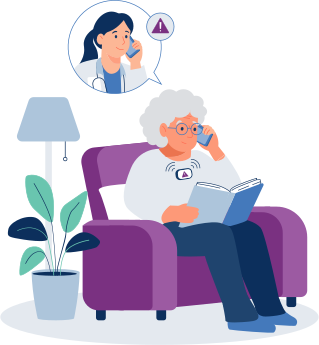
Patients wear sensors that track heart rhythm (to detect atrial fibrillation), movement, oxygen levels and sleep, starting in hospital and continuing at home. A subgroup also wears a dedicated stroke-alarm sensor that can detect recurrent arm paralysis – an early sign of stroke recurrence – and alert the care team in real time.

Heart rate
Heart rate
Activity
Activity
Oxygen levels
Oxygen levels
Sleep
Sleep

Key innovation

01

AI atrial fibrillation detection

spotting irregular heart rhythm early
02

Stroke-recurrence detection

AI-powered, from hospital bed to home
03

Wearable 'stroke alarm'

flags neurological changes as they happen

Expected impact

Hospital care

Safe, earlier discharge

For patients who don't need a prolonged hospital stay
Heart monitoring

Faster detection

Of recurrent stroke risk and neurological deterioration
Security (line)

Continuity of care

Care that doesn't end at the hospital door

AI-powered atrial fibrillation and stroke-recurrence detection, paired with a wearable ‘stroke alarm’ that flags neurological changes as they happen – not at the next scheduled check-up.

Join our newsletter

Don’t miss our latest insights.