Cardiovascular Care
Heart failure, atrial fibrillation and ischaemic heart disease are among the leading reasons people end up in hospital. H@H moves the follow-up, monitoring and early warning system into the patient’s own home.
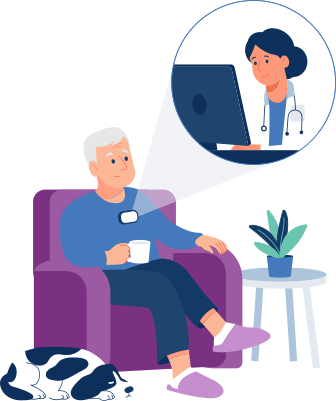
Heart failure, atrial fibrillation and ischaemic heart disease are among the leading reasons people end up in hospital. H@H moves the follow-up, monitoring and early warning system into the patient’s own home.
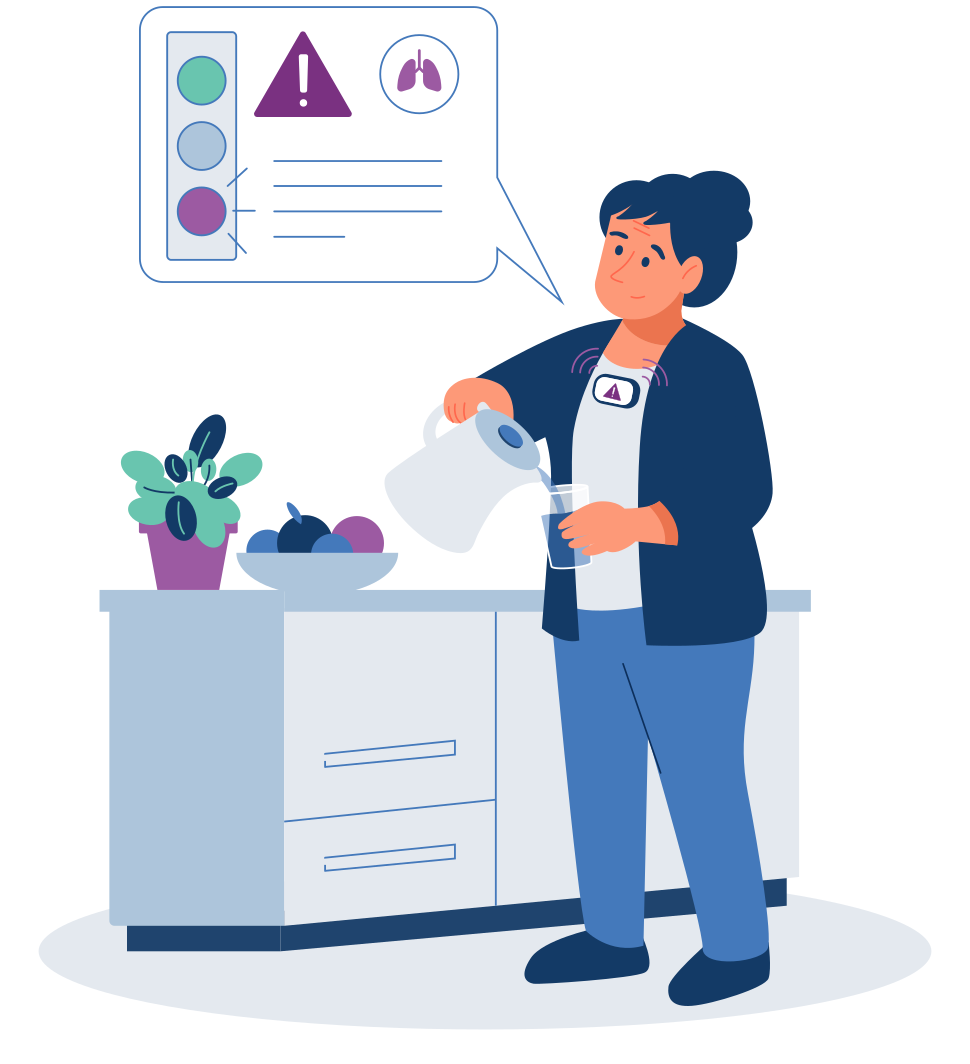
Chronic Obstructive Pulmonary Disease (COPD) and pulmonary fibrosis (PF) are two of the most burdensome respiratory conditions in Europe. H@H builds a digitally supported home-care pathway for both – from continuous passive monitoring to real-time, traffic-light alerts for care teams.
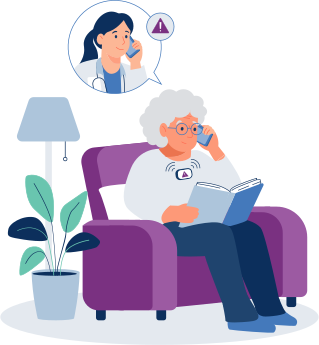
Stroke is the second leading cause of death and a major cause of adult disability in Europe but not every patient needs/benefits from a long hospital stay. H@H builds a safe pathway home for people with minor stroke or a transient ischaemic attack (TIA), with the monitoring and support to catch problems early.
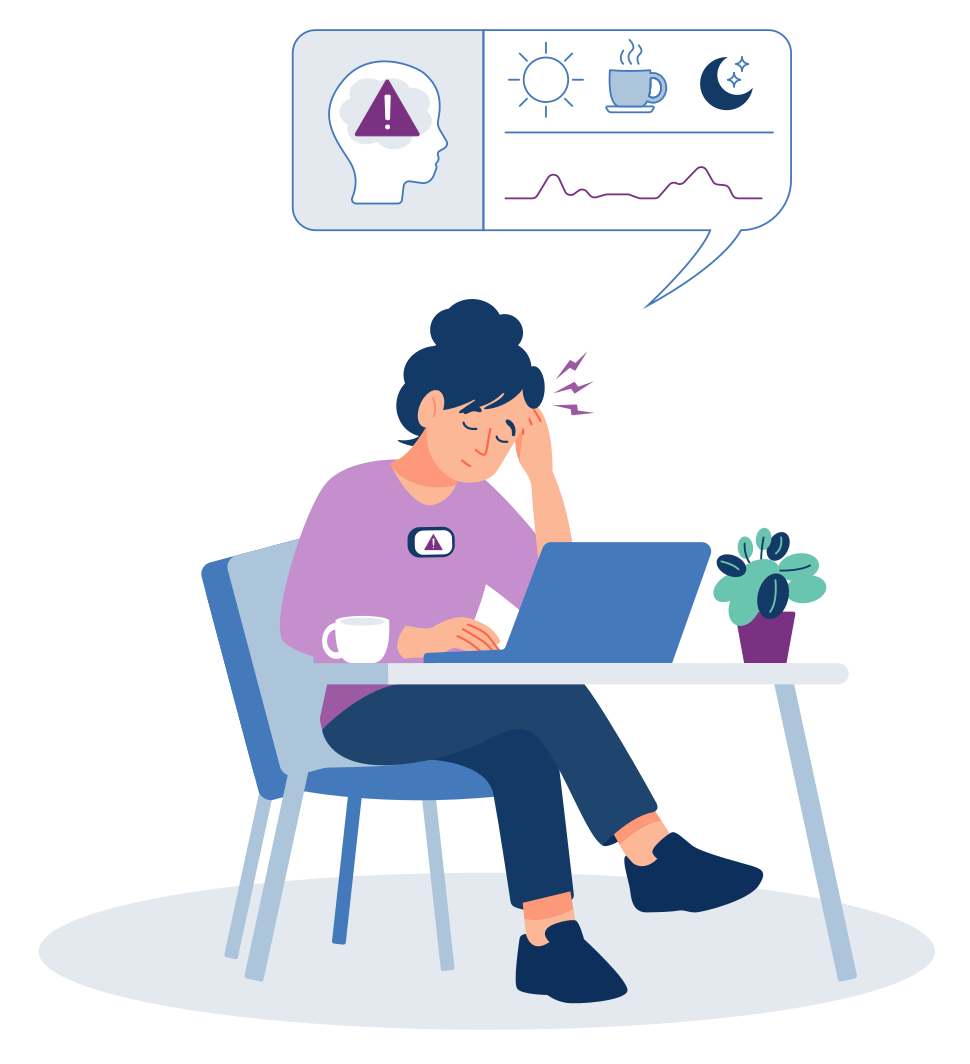
Migraine is the biggest cause of disability in people under 50 — yet diagnosis is often delayed, and care remains fragmented between GPs and specialists. H@H builds a decentralised, digitally supported pathway that helps get patients to the right care, faster.
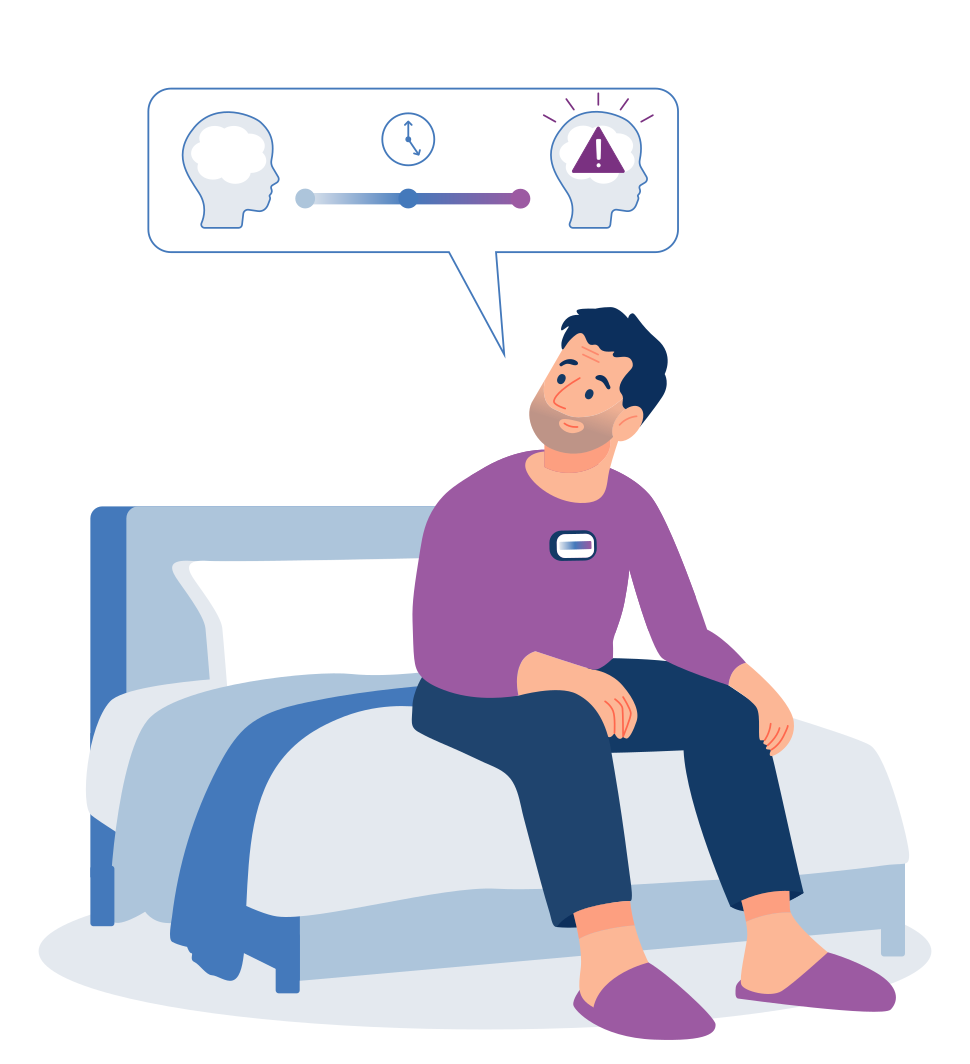
Cluster headache is rare but devastating — attacks strike with almost no warning and can be excruciatingly painful. H@H is developing the first digitally supported model that can predict an attack before it starts, and respond to it in real time.